Day 9: Pilgrimage

Takino'o Shrine (瀧尾神社)
I woke to blood.
Not dramatic. Not symbolic. Just insistent. A body negotiating cold air and altitude and dryness, illness refusing ,for a while, to behave. Outside was below freezing. The night had been restless, strange dream-filled in that unfinished way that leaves you more tired than restored. Checkout was early.
I could have stayed.
/
After all these years, I know how easily the body can tip. I know how quickly it can become something fragile and medical and uncertain. I have woken before to rooms where the air felt thinner than hope. I have learned the quiet language of survival.
/
But I had come to Nikko for one reason: to climb to Takino'o Shrine.
A pilgrimage. 55 minutes uphill, google says…, though time is the least interesting measure of ascent. The long winding uneven steps were first laid in the 1600s. Stone shaped by hands long gone, worn by centuries of prayerful feet.
Pilgrimage begins in the refusal to retreat.
/
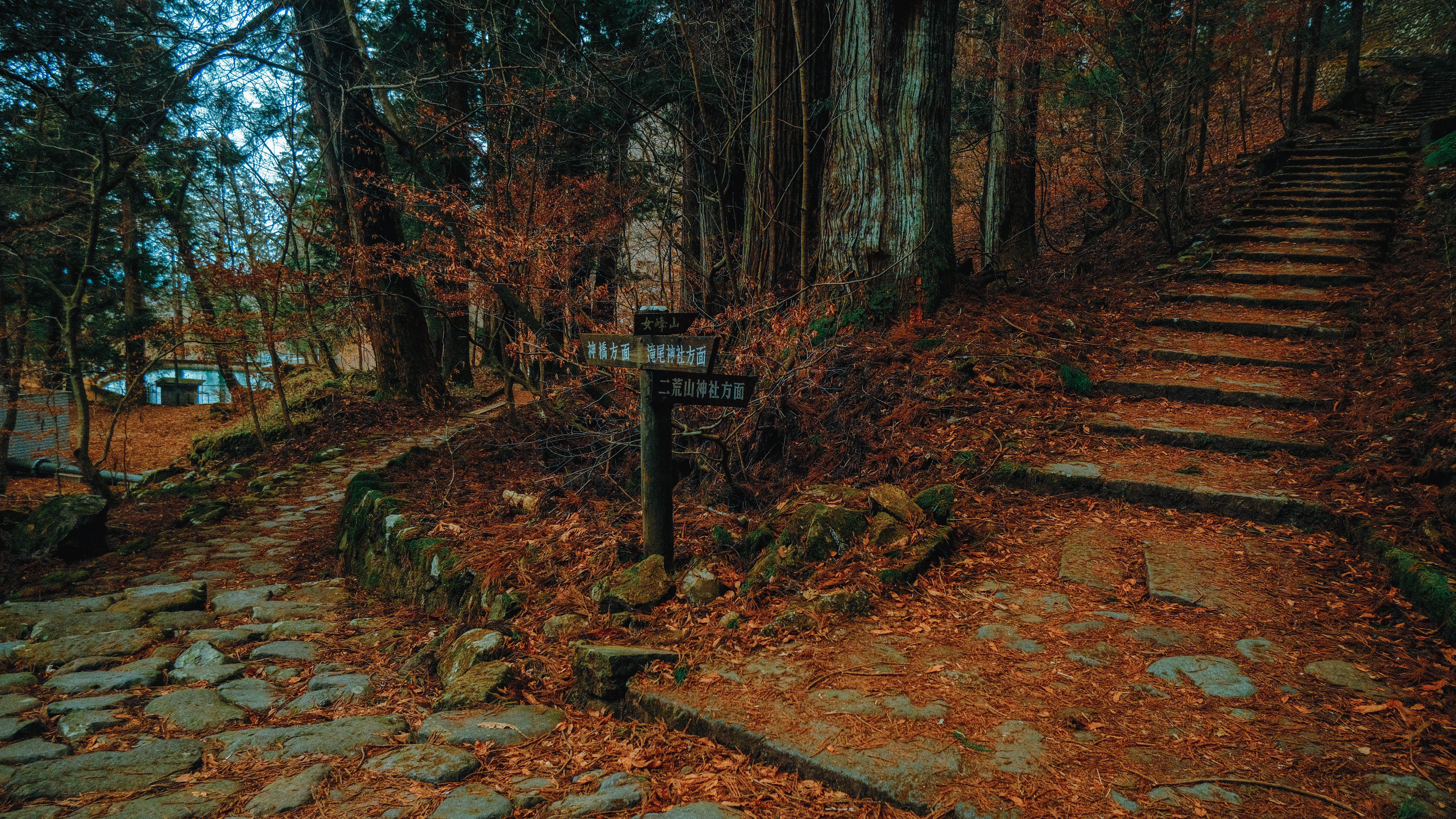
Once the bleeding slowed, I layered up and stepped into the mountain.
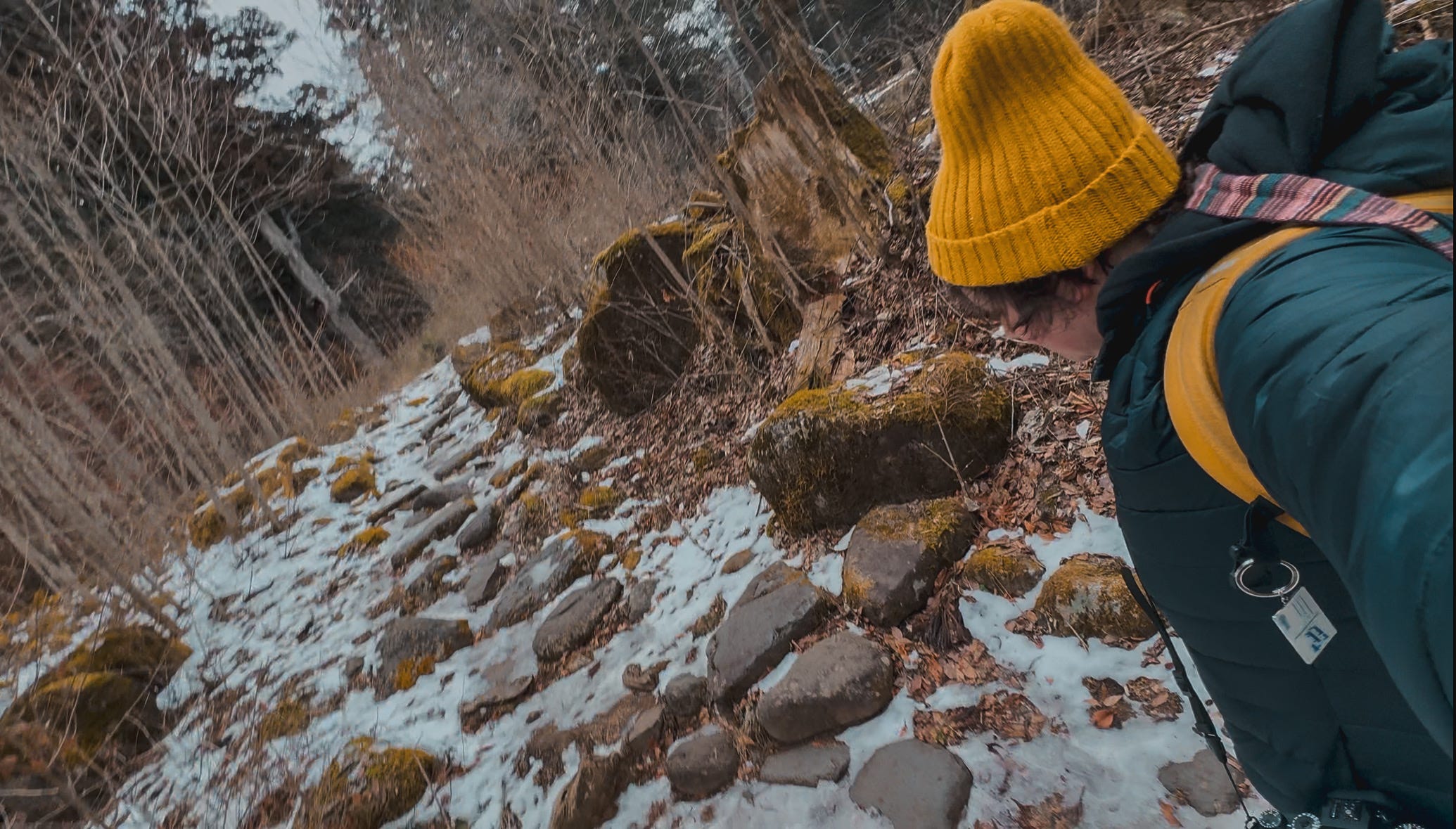
The first stretch was steady incline, lungs remembering winter. Snow thick in places where the sun never reaches- untouched, luminous, showing that few had ventured up before me. My sneakers broke the surface with a soft insistence.
The forest held its breath.
Then the awesomeness began. Pure, magical, enchanting beauty
/
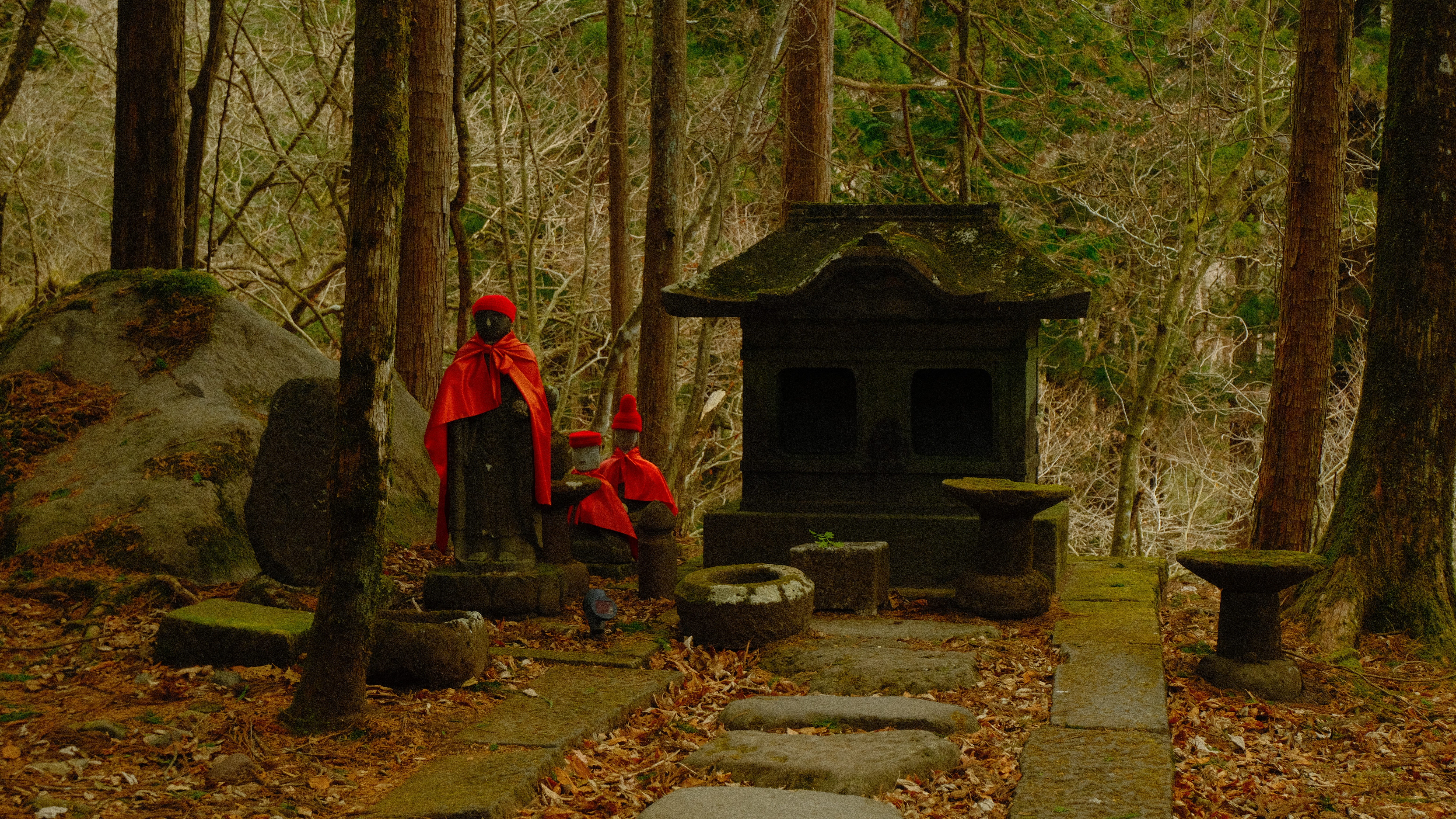
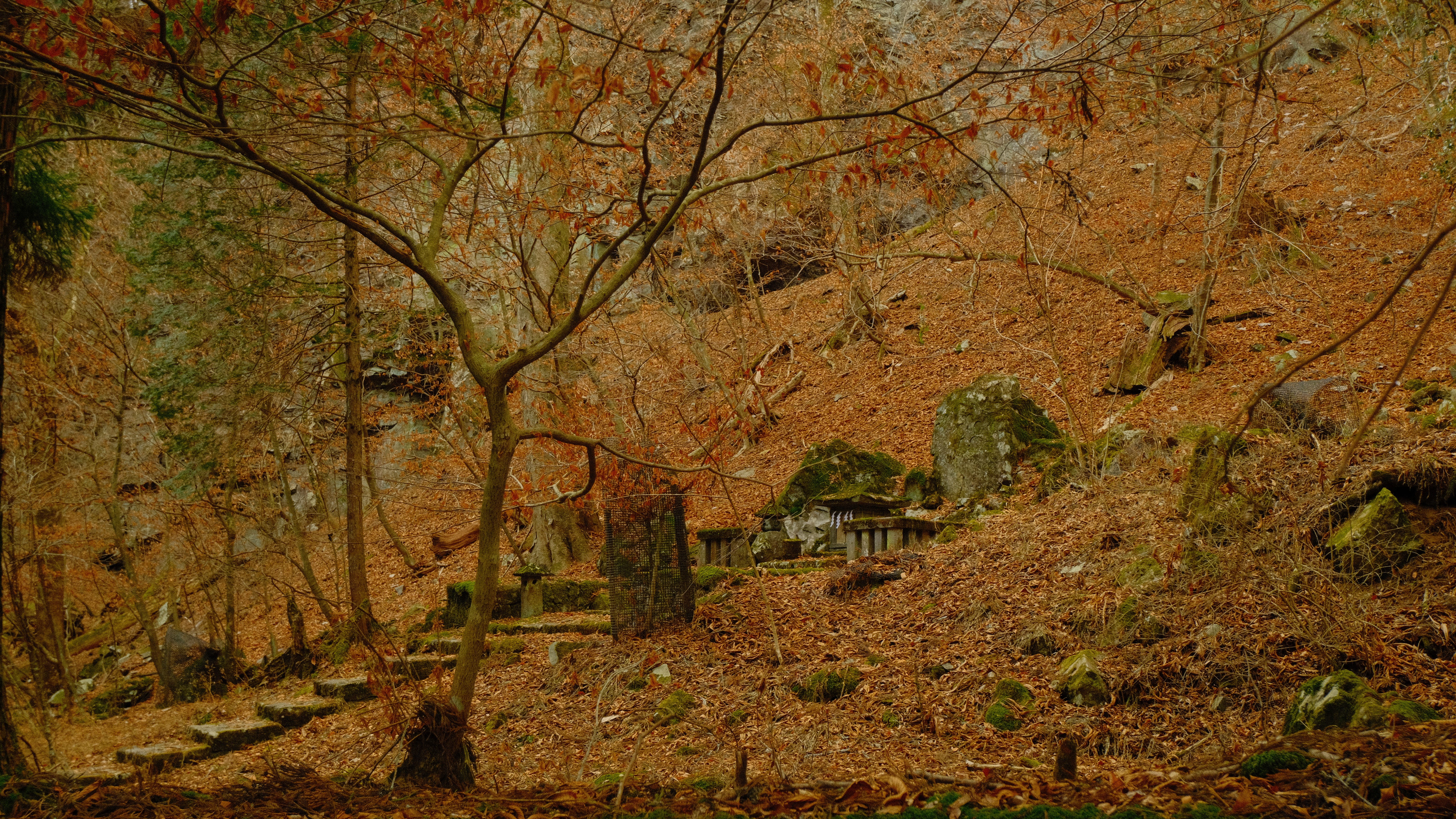
Small shrines emerged between ancient cedar trunks, half-hidden, moss-drunk, as though time had folded gently around them. Moss-covered stones older than the ice age. stones that have outlived entire climates, lay embedded beside the path.
There is something about walking among rock that predates human memory that recalibrates your sense of scale. My illness, once enormous, shrank to something momentary.
/
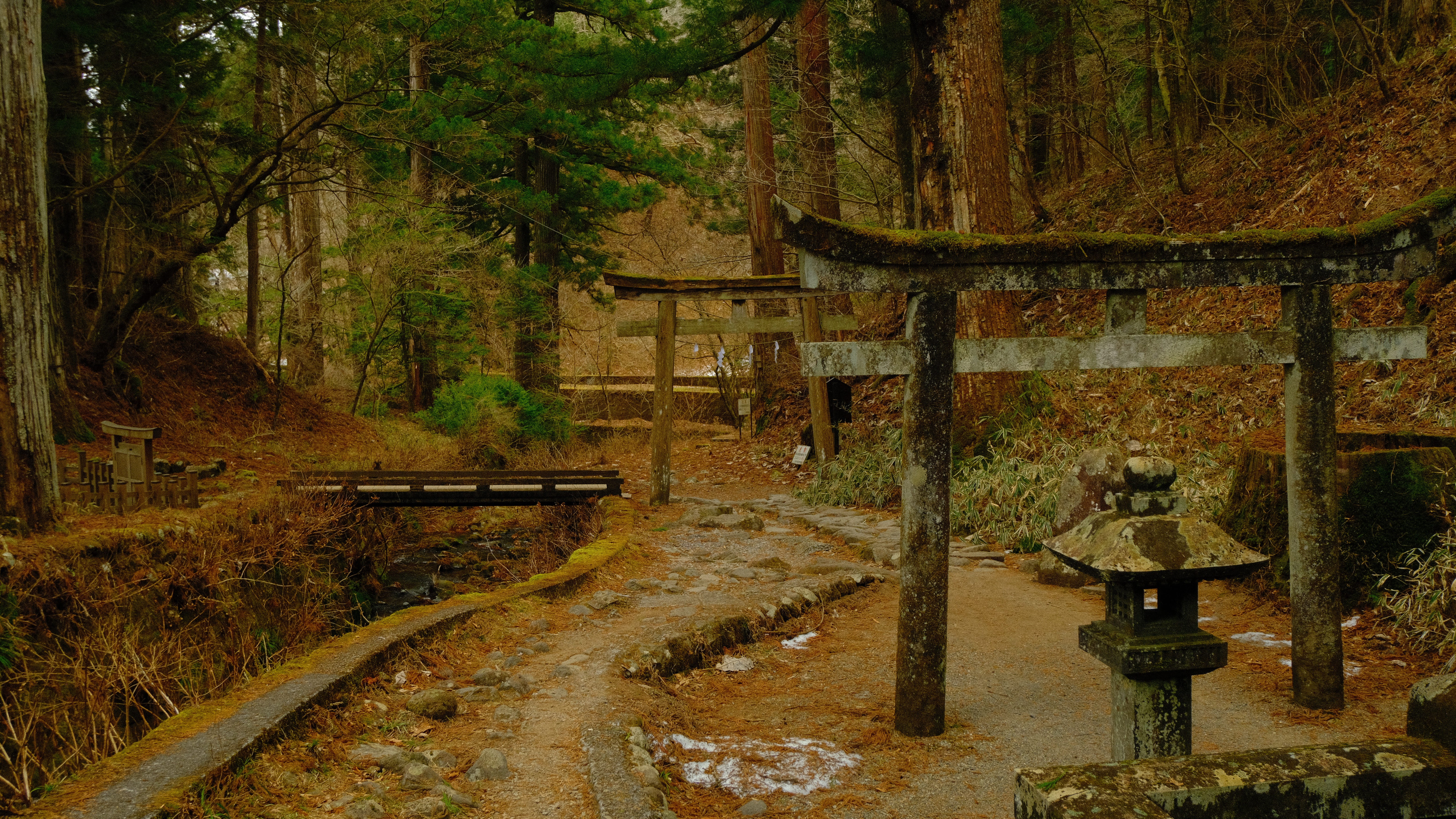
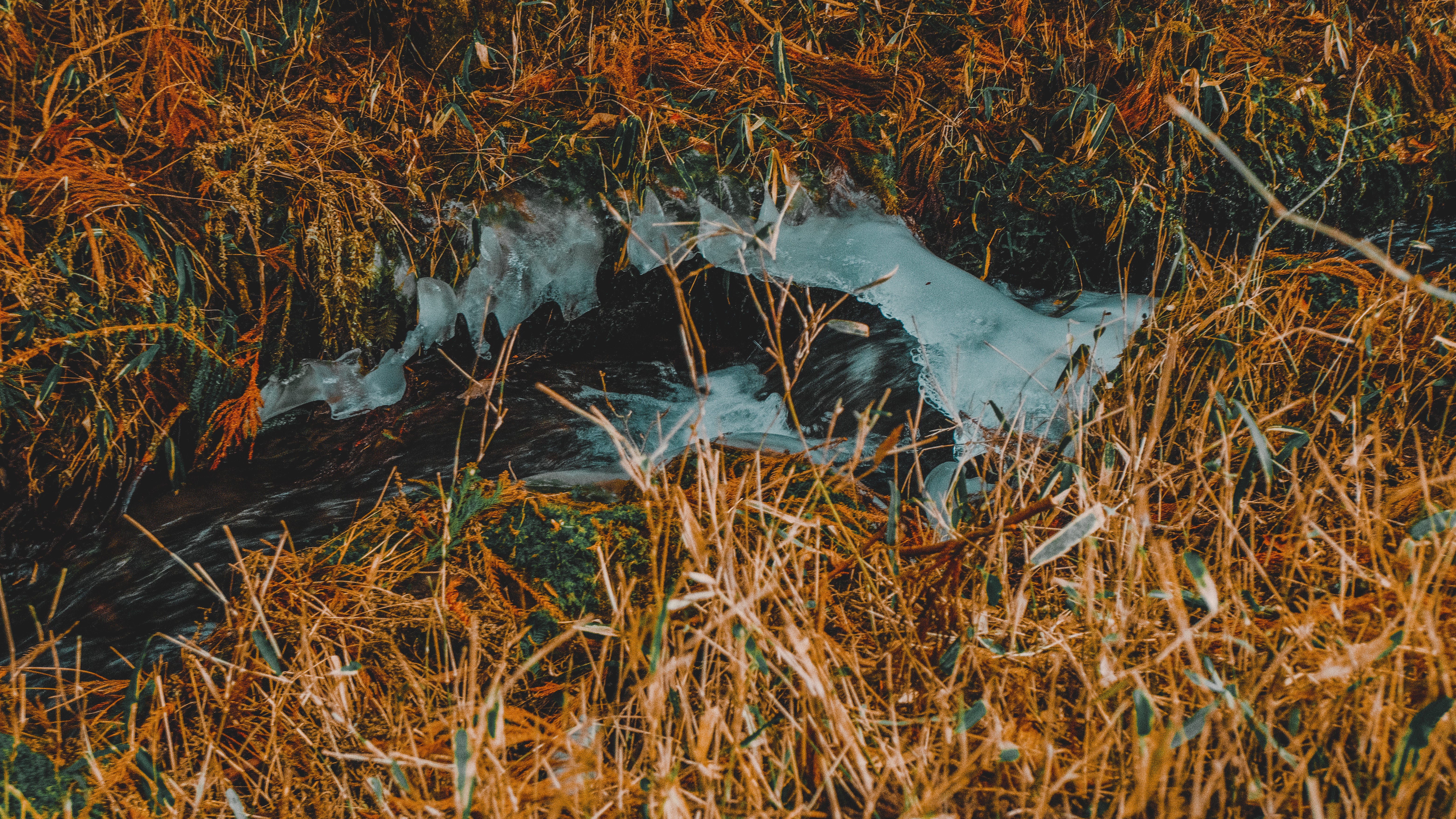
Mountain water ran alongside me. clear, falling into outdoor pools fed directly from the source. Onsens receiving the mountain’s own body. Steam rising into freezing air. Water that will travel downward to heat baths, to enter cups, to be drawn by sake makers who come here for its purity. Sacred water, carrying snowmelt and stone and centuries in its descent.
/
The waterfalls arrived with a kind of astonishment. not theatrical, simply exact. Water striking rock with a force that felt like language. So pure it seemed to erase everything unnecessary.
/
I have known other waters. The drip of IV lines. The metallic taste that lingers at the back of the throat. The quiet calculations of whether this body will continue.
Climbing changes the way those memories sit.
/
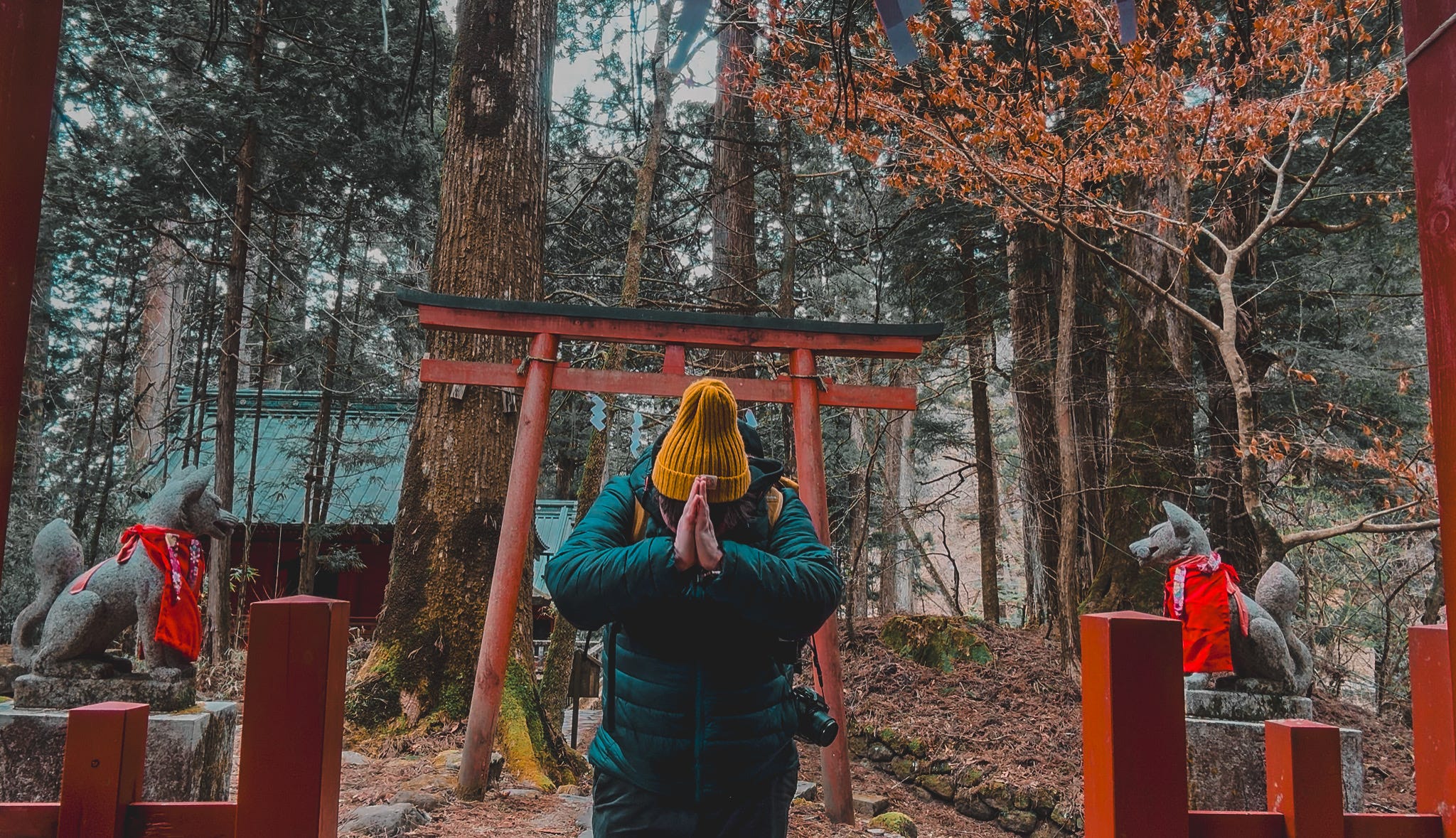
There were caves with statues behind torii gates. figures softened by weather, their faces nearly returned to mountain.
Nothing about this place felt curated. It felt ancient. Earned. As if the forest itself were the primary priest.
/
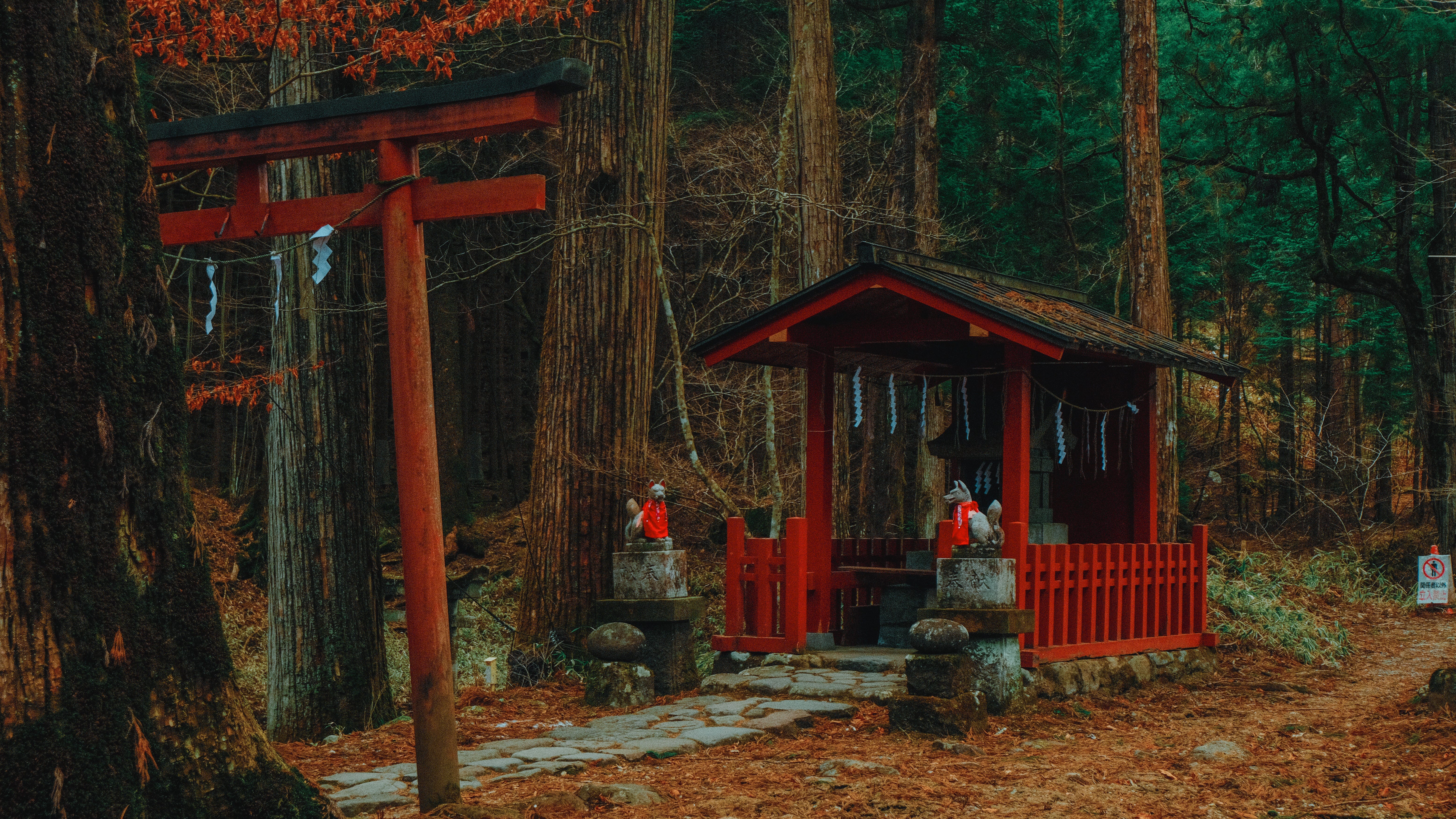
Then the steps began in earnest.
Hundreds of them. Steep. Uneven. Unapologetically old.
Each step demanded attention. No smooth gradient, no modern kindness. I felt the scar tissue in my body. The fatigue that arrives without warning some mornings. The old fear that whispers, not today.
But the mountain did not negotiate.
Upward.
/
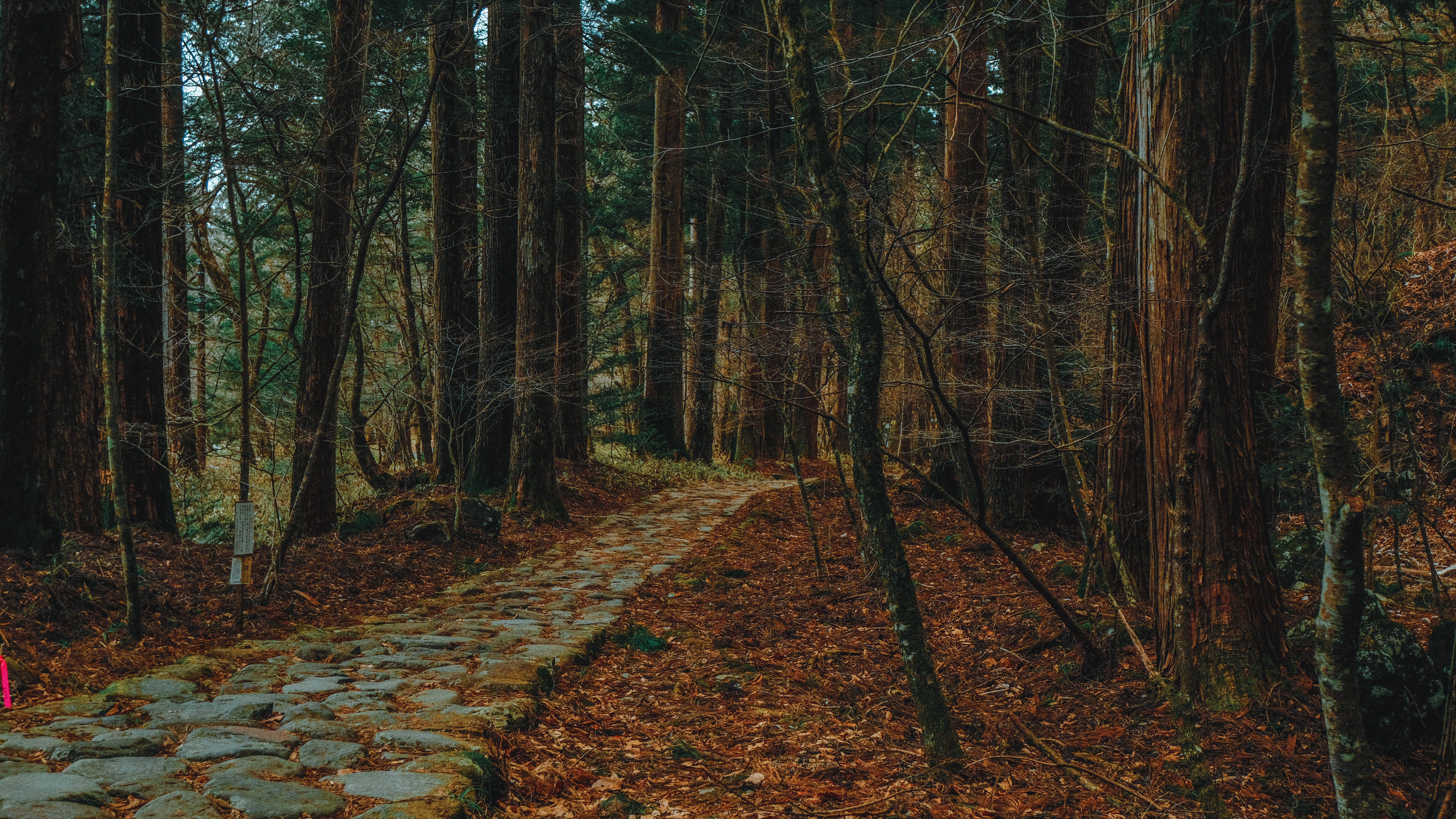
When I reached the summit, the shrine complex opened quietly. I was the only person there. And after some time at the top, I was still the only person there.
/
several buildings nestled among cedar and bamboo. Torii gates marking thresholds not of spectacle but of reverence. Trees planted in honour of the Shinto priest who first established this place. A tomb.
A life folded back into earth and remembered through growth.
/
They honour him not with grandeur but with continuity. With trees that keep rising.
The waterfalls above feed everything below. Sake makers draw water from the spring at the top of the temple because it is untouched, uncorrupted, mountain-born. Sacred not because someone declared it so… but because it remains itself.
/
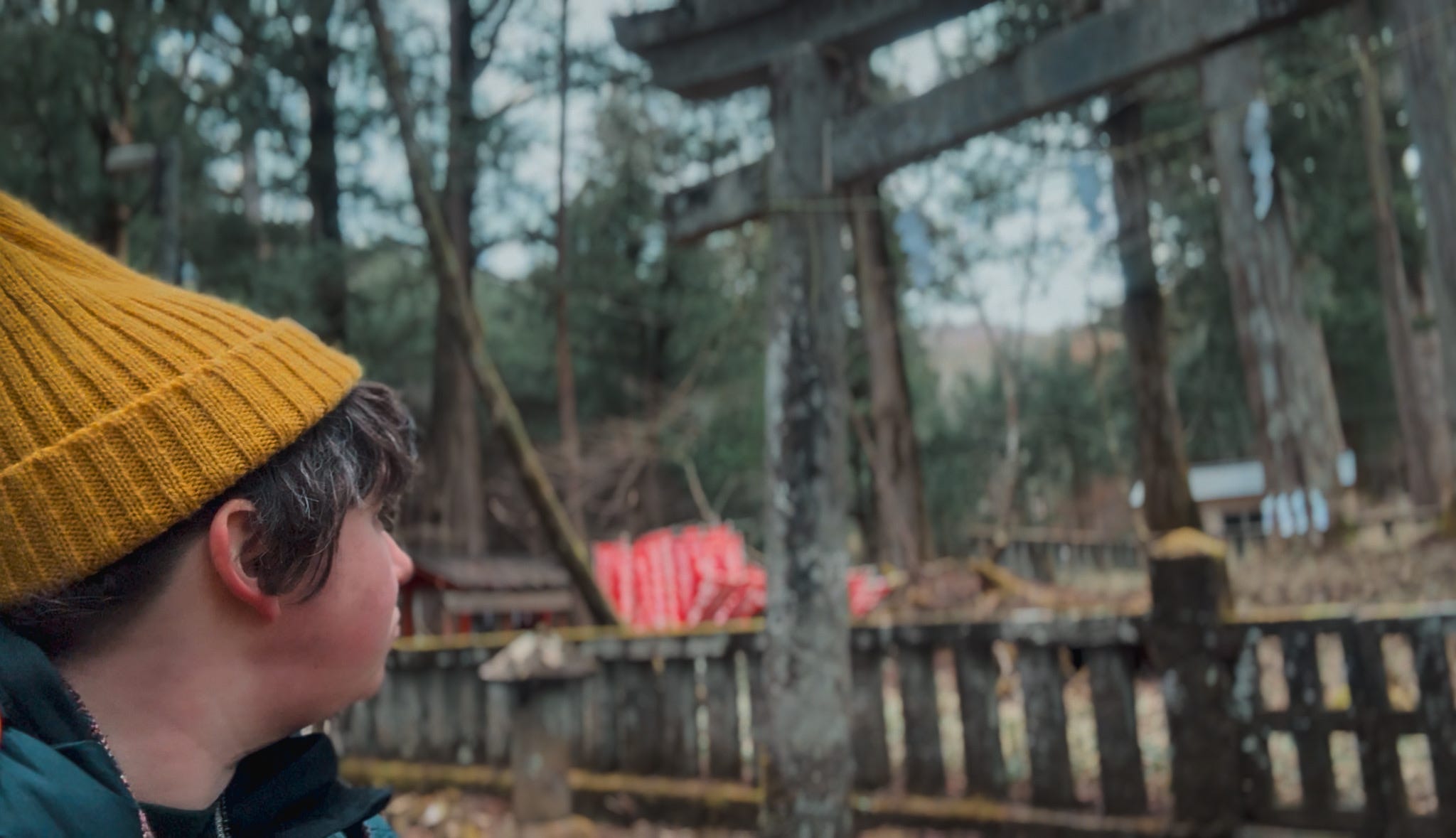
Standing there, breath visible in the cold, I felt the strange tenderness of still being here.
There was a time, at 24, when I did not know if I would see 30… and then at 30 I was sure if we’d get to 35... When the future felt like a rumour other people believed in. The body was uncertain ground. Death was not abstract, it was a presence in the room. It still does but in a different way.
And yet here I was. In snow. On ancient steps. Among cedar trees older than nations.
/
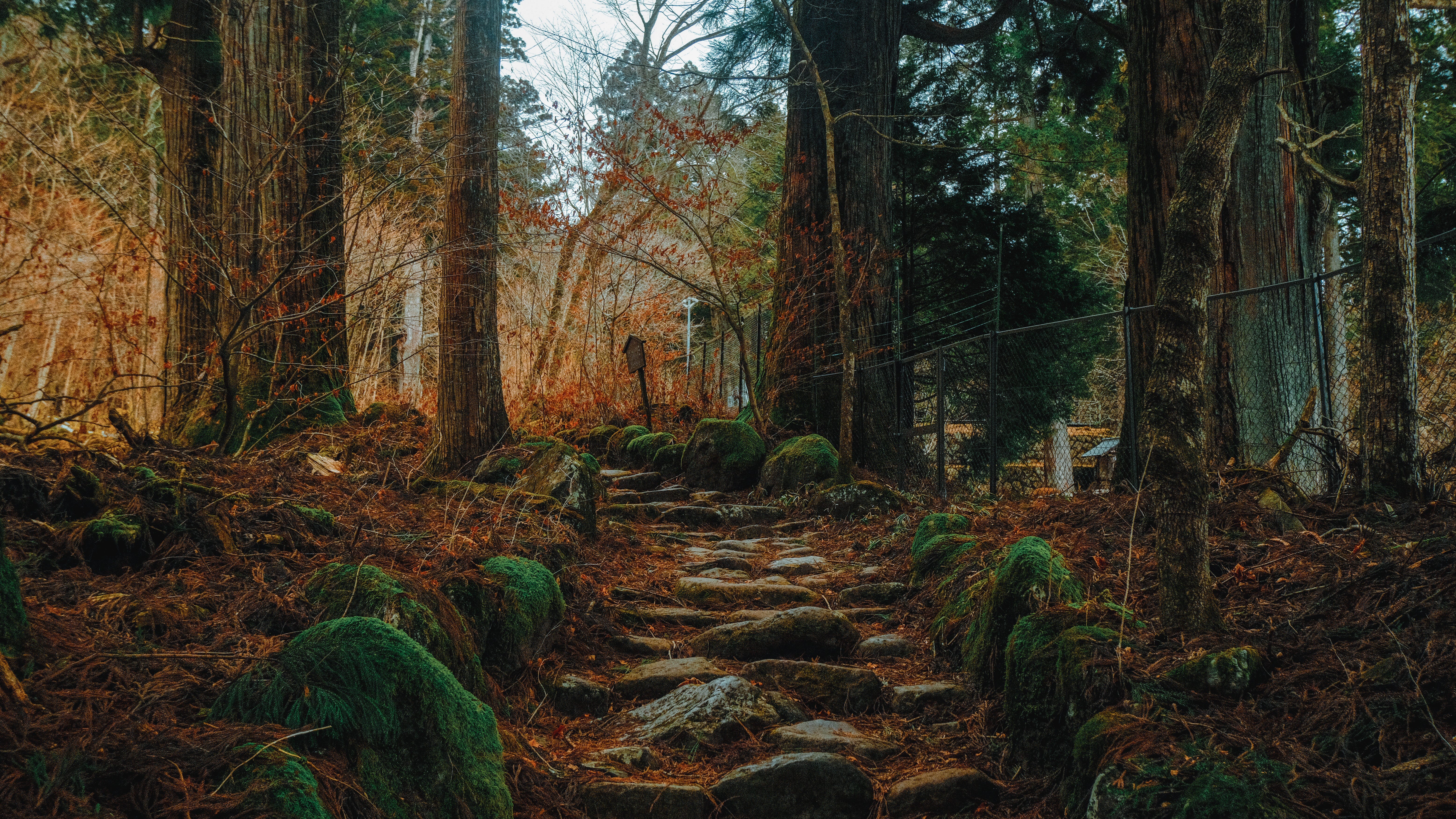
Pilgrimage is not about asking to be spared. It is about consenting to walk anyway.
The mountain does not promise safety. It offers scale. It offers endurance. It offers water that keeps falling whether we are here to witness it or not. It offers a fresh perspective.
/
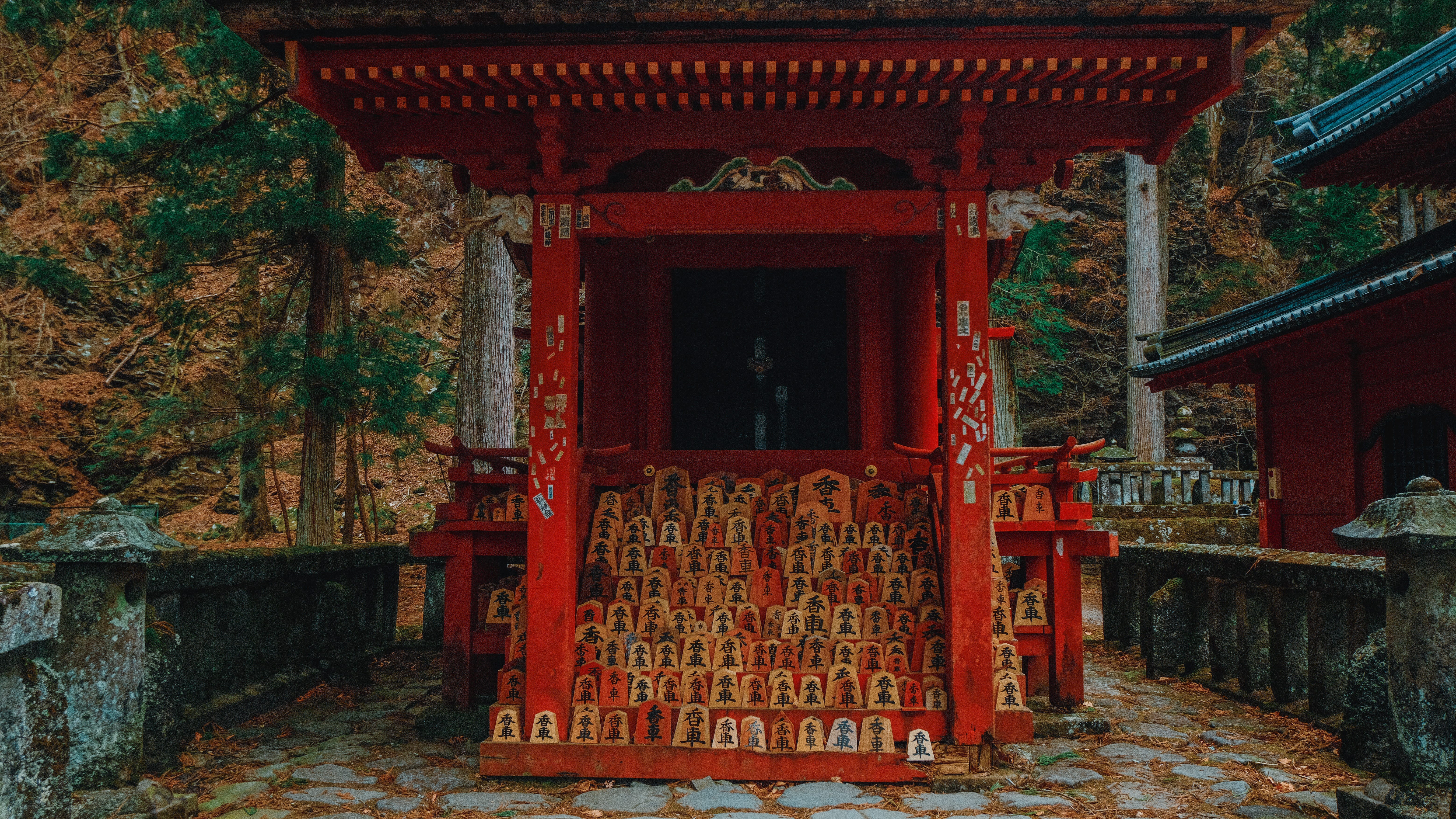
I climbed with a body that has known fracture. I climbed with blood still flowing and drying at the edge of my nostrils. I climbed with the quiet knowledge that nothing is guaranteed.
/
pilgrimage does not begin at the shrine.It begins in the decision.
Pilgrimage is not about arrival at the sacred. It is about consenting to be changed on the way.
/
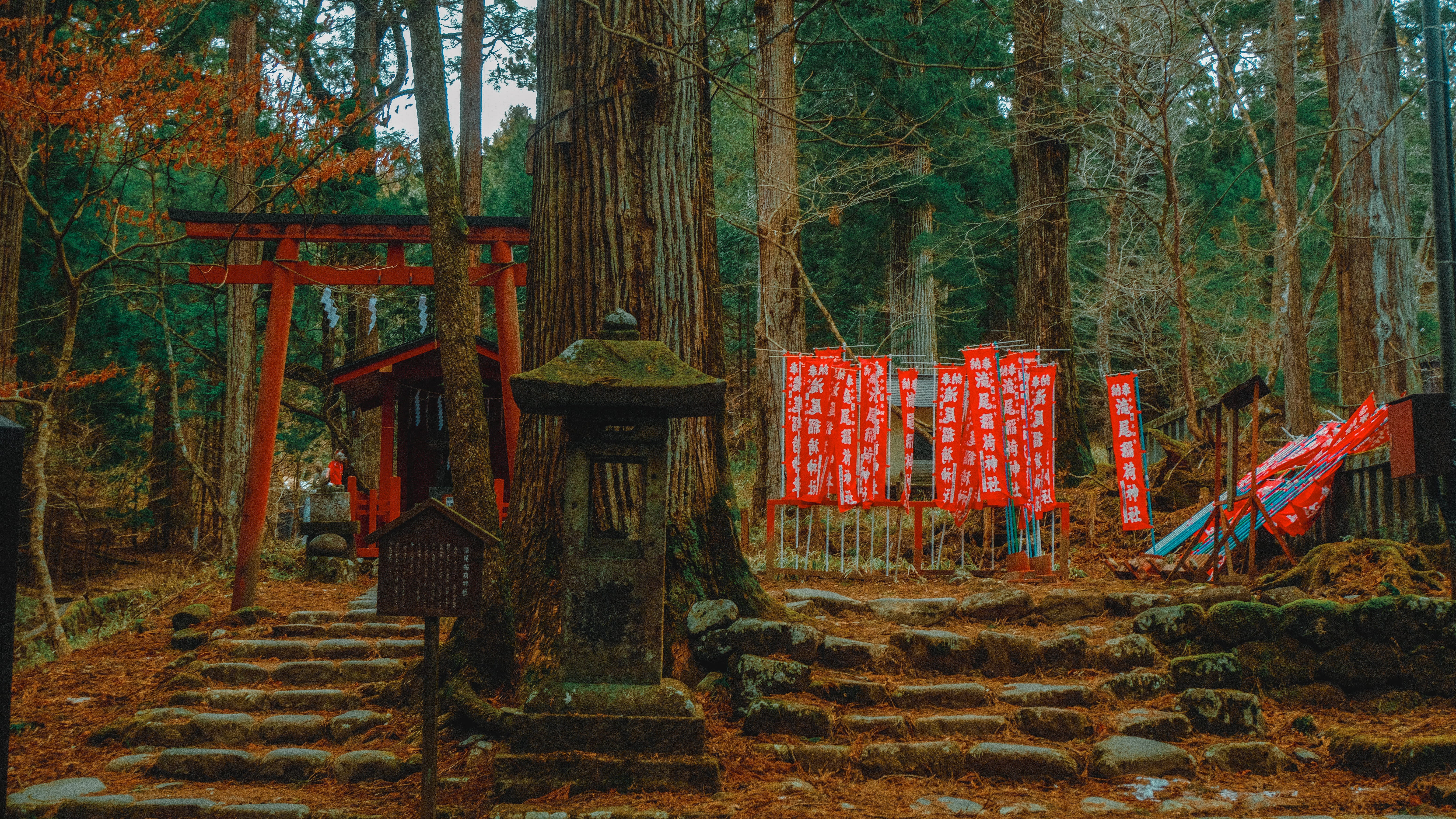
And at the summit, I did not feel victorious.i felt gratitude. I felt in awe…
I felt aligned.
As if the body, for a moment, understood its place among stone and snow and falling water.
Not permanent. Not invincible. But alive.
And that, today, was enough.