
Day 7: Jisei

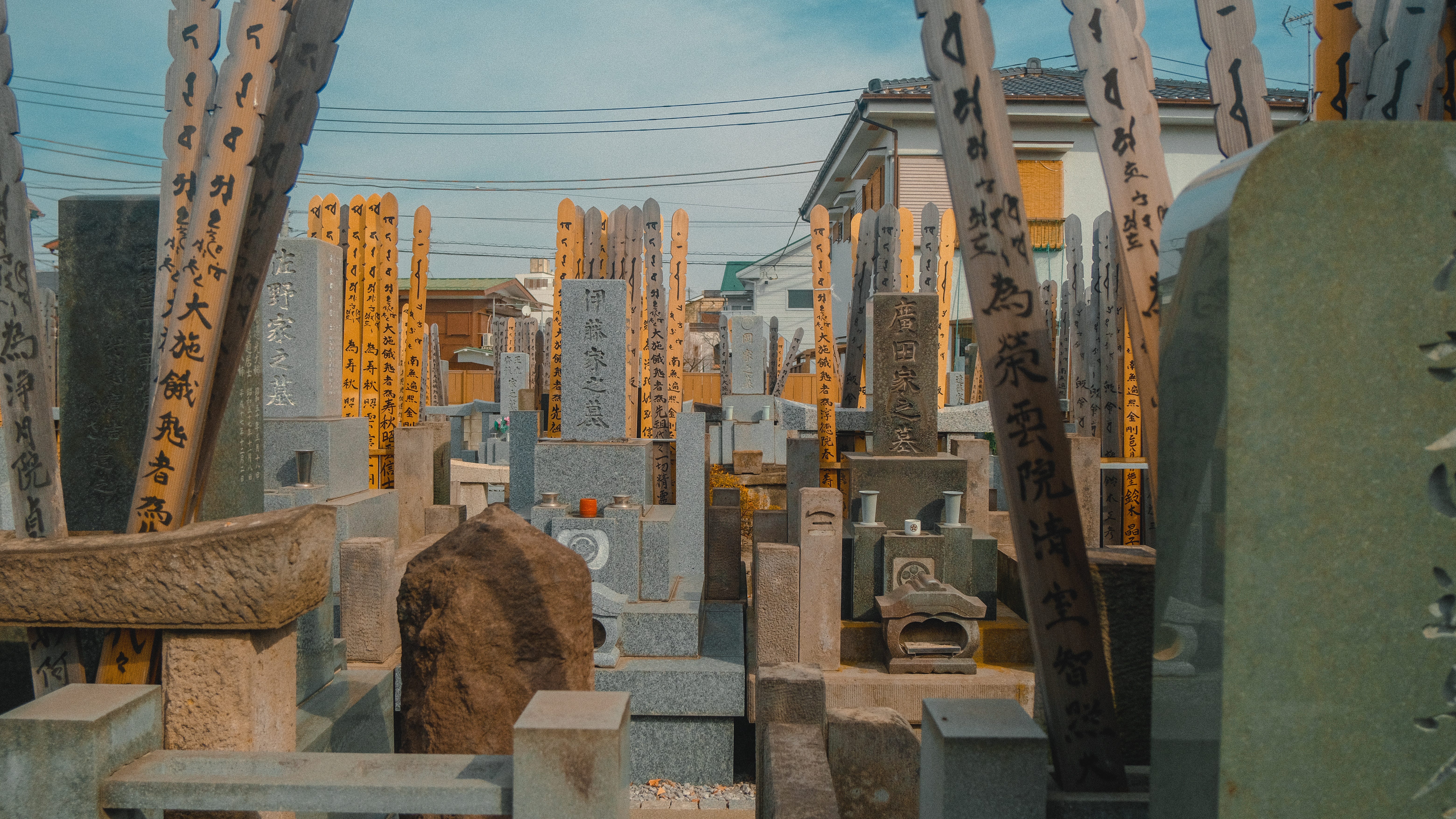
Some days teach you by subtraction.
They take away speed. Certainty. The need to arrive quickly. They replace it with buses, elders, waiting, weather, wood.
//
Today asked me to cross Tokyo the long way. Two buses. No shortcuts. Sitting among the elders who seemed to understand time differently. Not as something to conquer, but something to cooperate with.
I followed them across the city like a footnote following a sentence, unsure of the conclusion but trusting the grammar of movement.
//
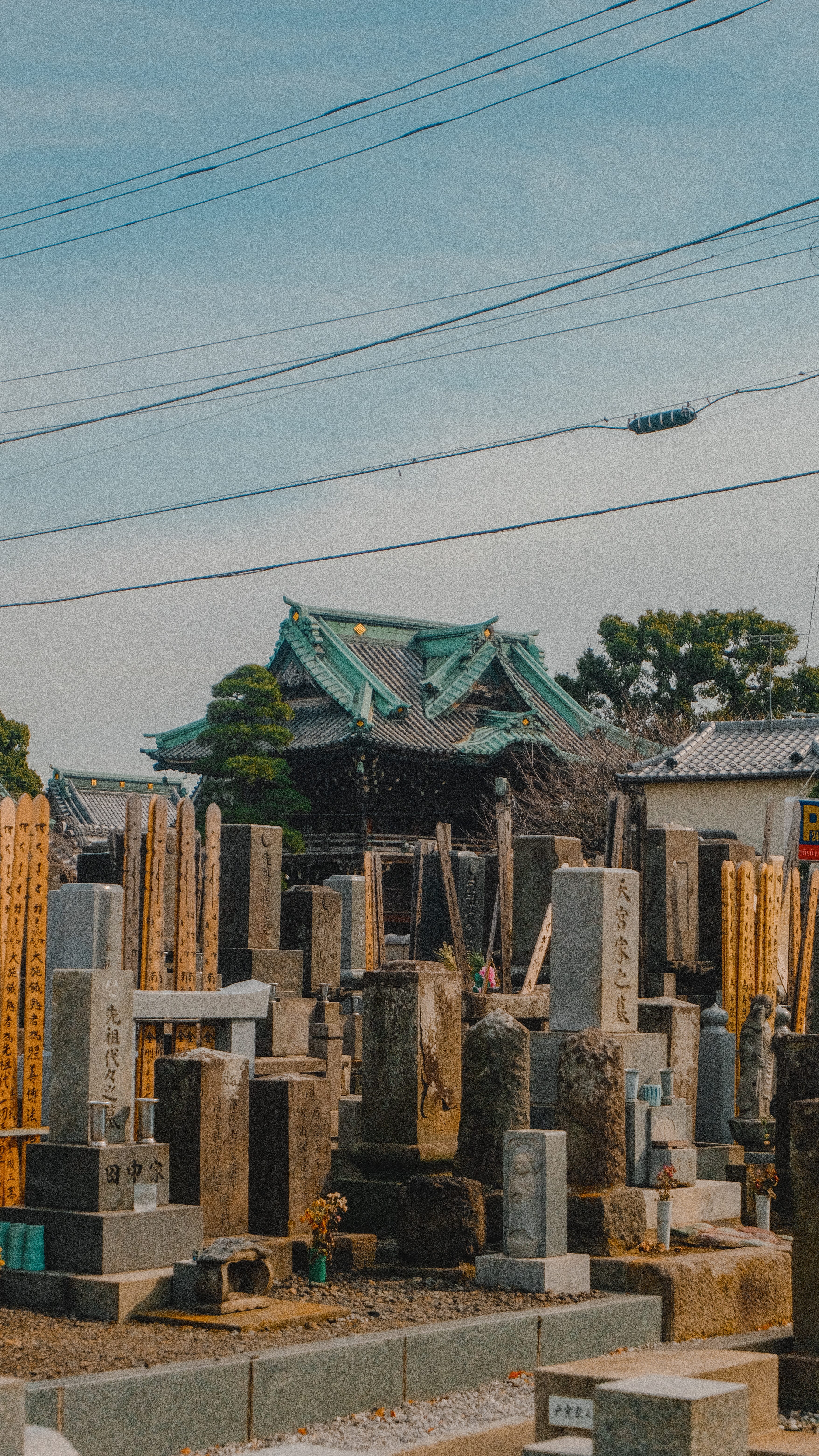
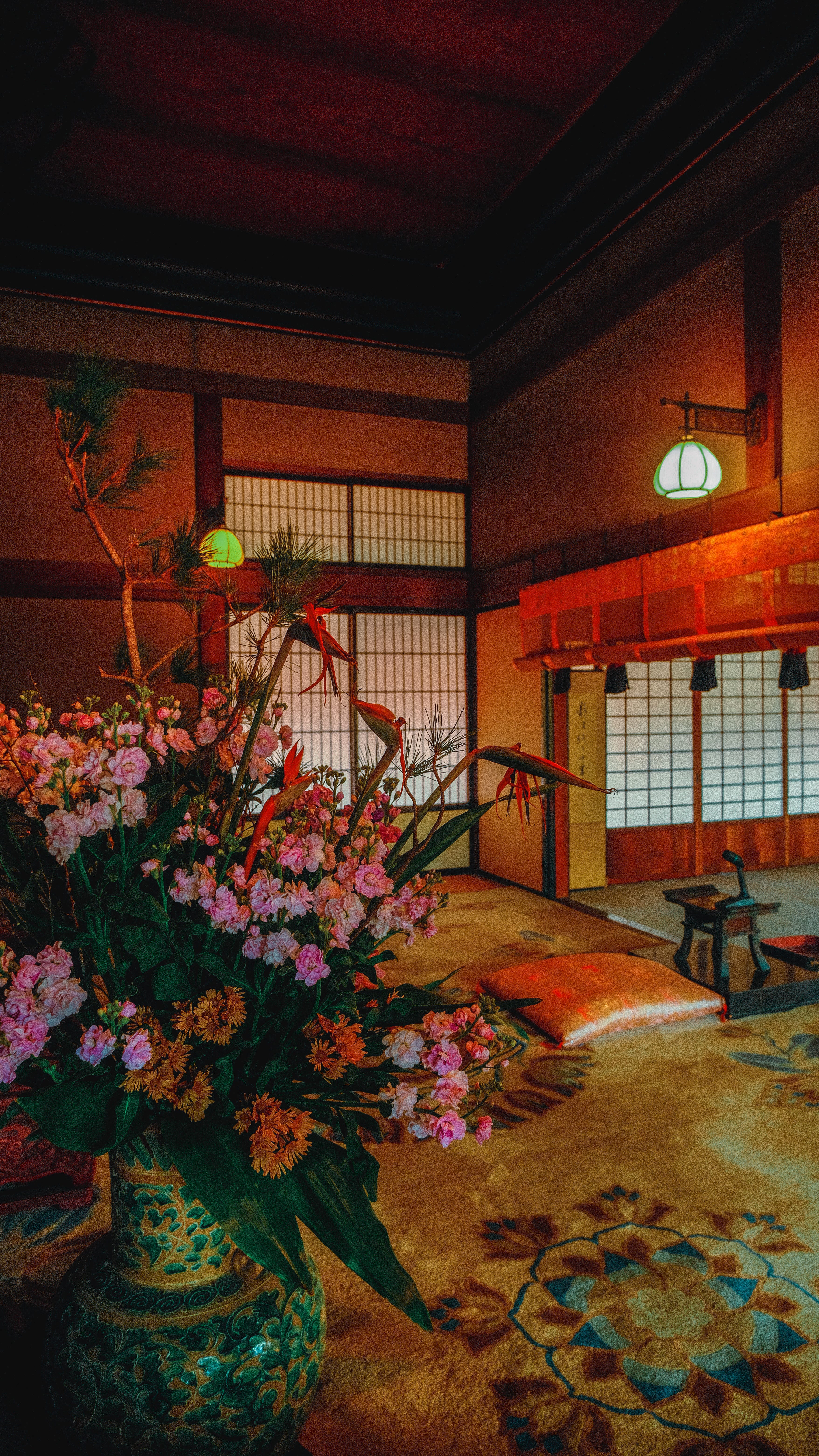
The shrine revealed itself slowly. Shibamata Taishakuten is not loud with its beauty. It does not announce itself. It lets you notice.
/
Ancient cypress pines grow there. Impossibly tall - with the longest out reaching branches I’ve ever seen, bending under the weight of their own persistence. They have been given wooden structures to hold them upright. Not hidden. Not disguised. Care exposed. Architecture admitting dependence.
The trees and their supports form a quiet collaboration across centuries, a reminder that endurance is rarely solitary.
/
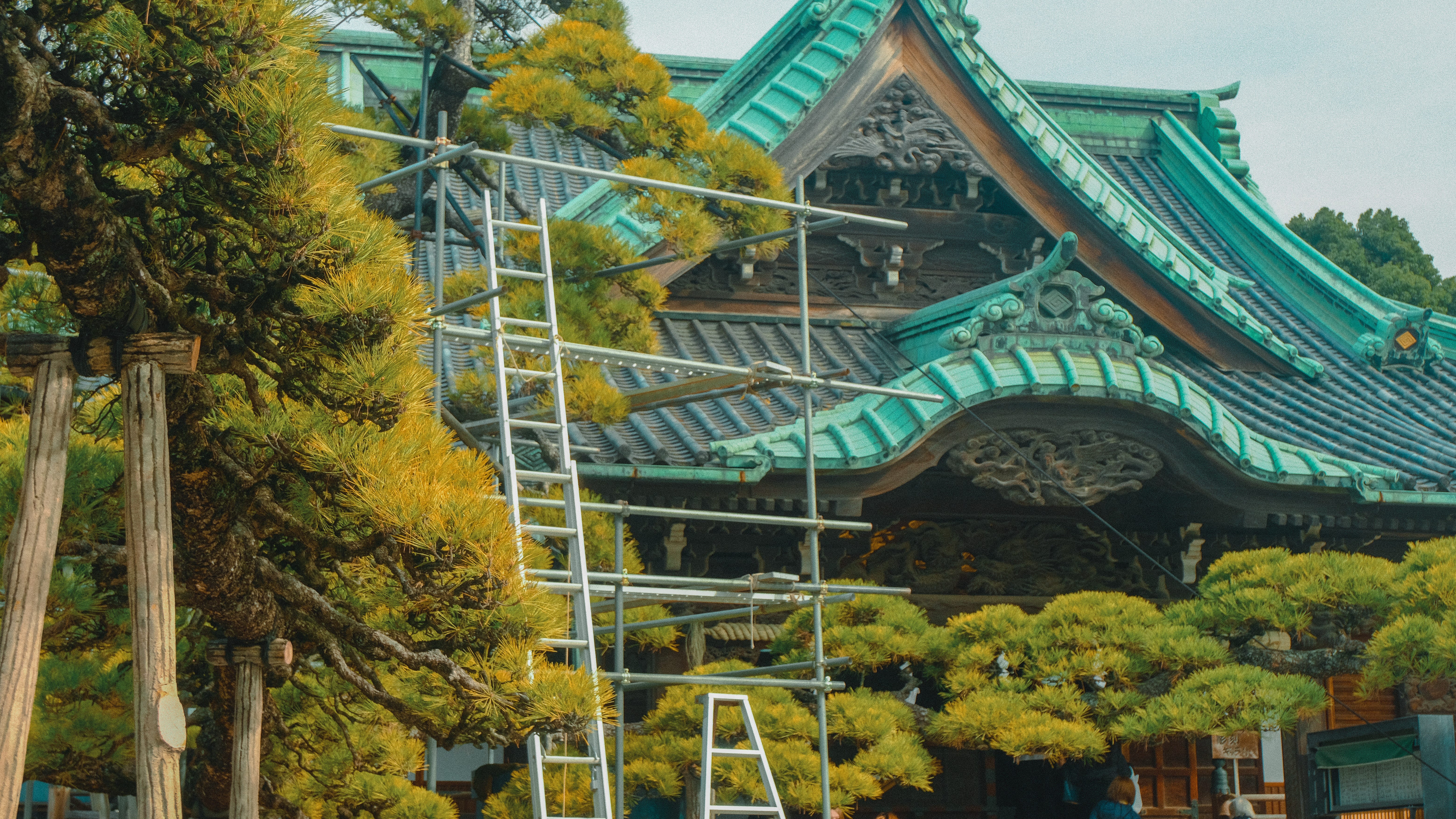
The special thing about this temple is the wooden carvings, and they stopped me completely. Whole cosmologies cut into wood. Devotion rendered through repetition. Patience made visible through hands that must have ached, paused, returned. I stayed far longer than planned, because time, once loosened, stops asking for justification.
/
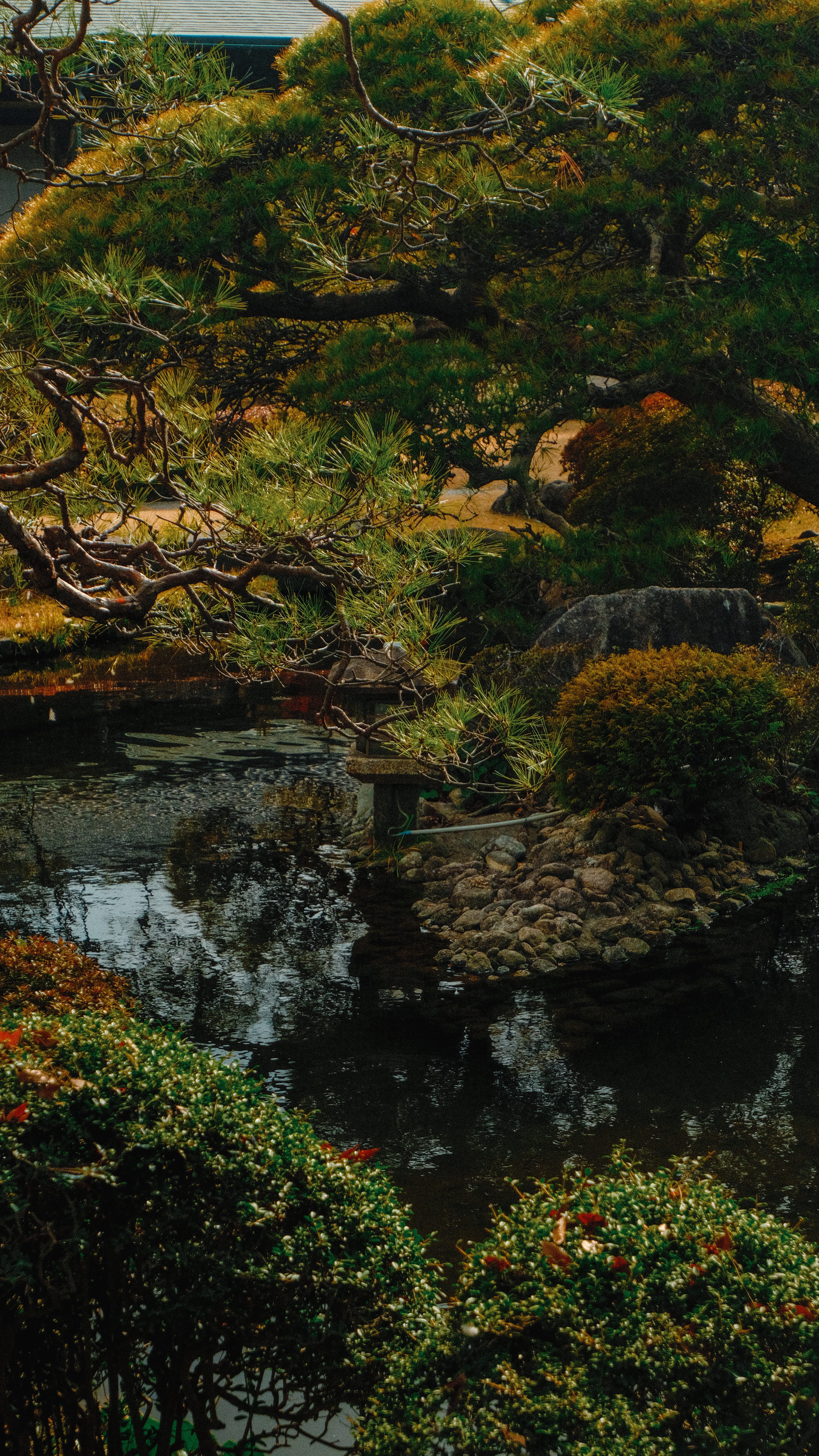
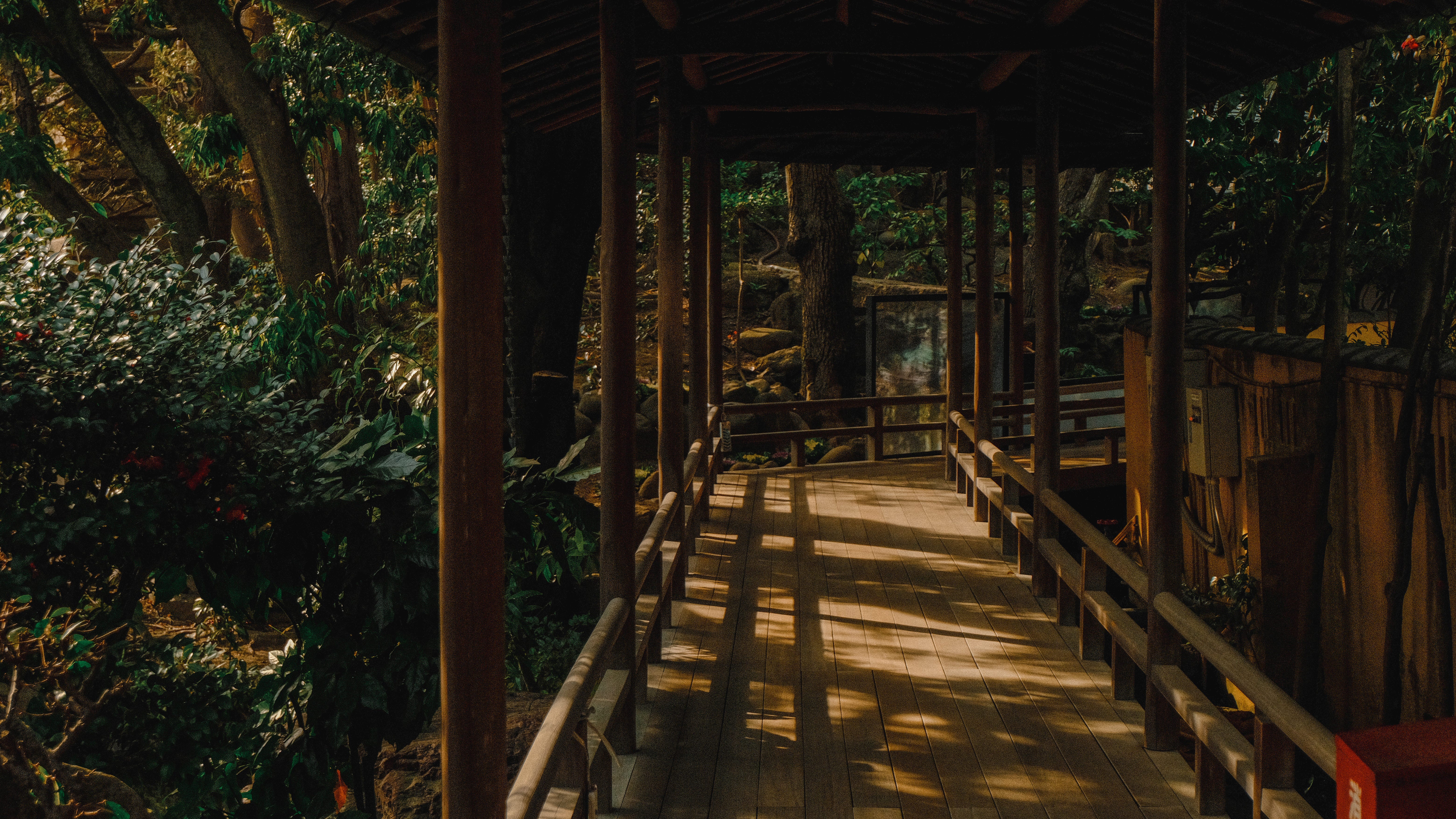
There is a garden there that feels like a held breath. Walking through it felt like being returned to Kyoto.
Not geographically, but visually and spiritually. To that rare condition where nothing is asking anything of you except attention.
/
Lately, I have been reading about jisei, death poems written at the edge of life. What strikes me is their restraint.
They do not plead. They do not summarise. They simply observe. A moon. A leaf. A change in weather. As if, at the end, what matters most is clarity. Not legacy. Not explanation. But seeing clearly one last time.
/
Standing there, I understood something quietly unsettling and oddly comforting. Death poems are not really about dying. They are about living with enough presence that, when the time comes, there is nothing left to grasp.
/
I made sound recordings while I was there. Bells. Footsteps. Chants, prayers, kids playing! Wind.
Still learning how to use the recorder, but perhaps more importantly, learning how to listen. Sound does not freeze time. It proves that time passed through you.
/
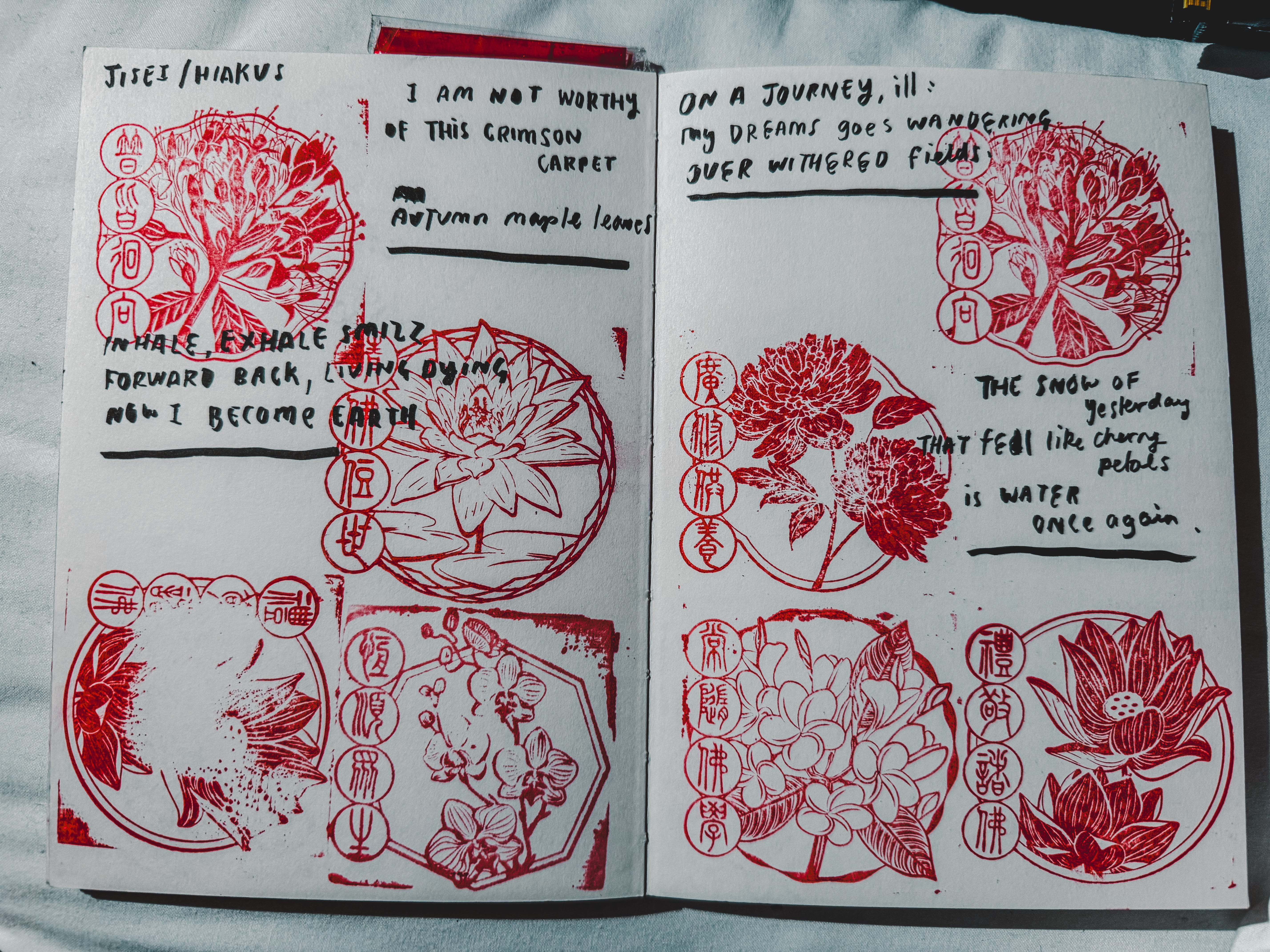
Inspired, I tried writing a few jisei of my own. Not as prophecy. Not as rehearsal. But as practice. A way of asking, if this were my last sentence, what would I notice?
/
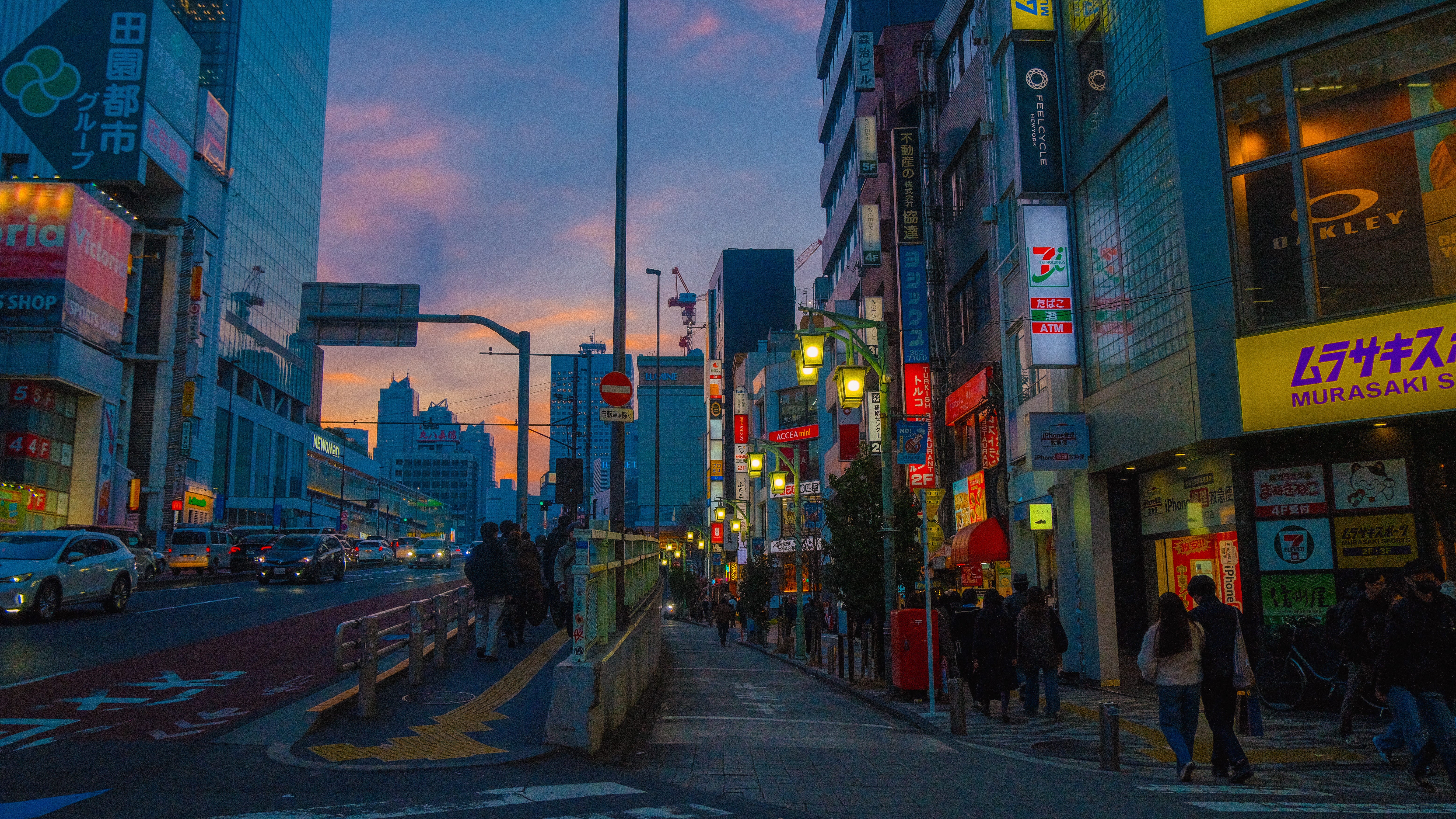
Later, I let myself drift back toward the density of the city. Shinjuku welcomed me with its abundance. The weak yen turned into piles of art materials. Colour, texture, potential gathered like small promises. More 35mm film too. I have already used almost three rolls. Attention, again, leaving evidence.
Dinner was my fav curry ramen (ten to Sen) even further opposite to where I had been.
I ended the night with a grape ice lolly from 7-Eleven. Which works!
/
Today felt like a reminder that meaning is not manufactured.
It accumulates.
It leans.
It requires support.
And perhaps the most meaningful thing we can do is practice noticing.
So that when the final line comes,
it does not feel rushed.
Here’s my attempts at Jisei on the spot!
How wonderful! Where are the flower stamps from?